
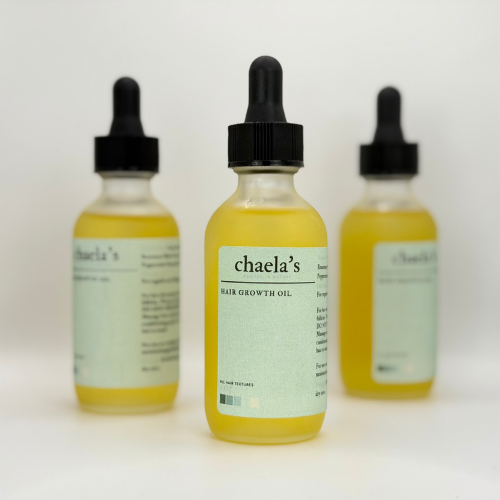
One of the most common things we hear is:
“I oil my hair every day, but my hair still feels dry.”
This frustration usually comes from a major misunderstanding in hair care. Many people believe oils moisturize hair, so they apply more and more oil hoping to fix dryness. The truth is simple: oils do not moisturize your hair — they seal moisture in.
Water provides moisture. Oils provide protection.
When you understand this difference, your entire hair routine starts to make sense.
Moisture Comes From Water, Not Oil
Moisture means hydration inside the hair strand, not shine or softness sitting on top of it. Your hair absorbs moisture from water and water-based products such as leave-in conditioners and hydrating creams.
When hair contains enough water, it becomes flexible and resilient. Hydrated strands bend instead of snapping, resist tangling, and maintain better curl or wave definition.
Oil cannot create hydration on its own. When you apply oil to dry hair, you seal dryness inside the strand. The hair may feel smoother temporarily, but internally it remains dehydrated.
Why Curly and Coily Hair Dries Out Faster
Textured hair naturally struggles to retain moisture. The bends and coils along the hair shaft slow down the movement of your scalp’s natural oils. Unlike straight hair, where oils easily travel from root to end, curly and coily hair often leaves the ends unprotected.
Because natural oils cannot fully coat the strand, textured hair requires intentional hydration. Without added moisture, dryness shows up quickly as rough ends, tangling, dullness, and breakage.
How Daily Oiling Can Actually Cause Dryness
Many people apply oils every day without adding water first. Over time, layers of oil build up along the hair shaft and create a barrier that blocks moisture from entering.
Instead of helping, excess oil can:
- Prevent water absorption
- Weigh hair down
- Reduce curl definition
- Increase brittleness
- Lead to more breakage
At this stage, hair often feels dry, stiff, or coated. The natural reaction is to add more oil, but the real solution is hydration.
Dry hair rarely needs more oil — it needs water.
The Correct Order: Hydrate First, Seal Second
A simple change in application order can transform how your hair feels.
Start by lightly dampening your hair or applying a water-based leave-in conditioner. This step introduces hydration into the strand. Follow with a moisturizing cream if your hair needs additional softness or slip. Finish by applying an oil or butter to seal that moisture in and slow evaporation.
Hydrate first → seal second.
Oils perform their job best when moisture already exists inside the hair.
Let Hair Porosity Guide Your Routine
Hair porosity determines how easily your hair absorbs and retains moisture.
Low porosity hair often benefits from lightweight oils applied after hydration to avoid buildup. High porosity hair usually needs richer creams or butters to prevent moisture loss. Medium porosity hair typically responds well to balanced layering.
While product order may slightly adjust depending on porosity, hydration should always come before sealing.
What Properly Hydrated Hair Feels Like
When you focus on hydration instead of constant oiling, you begin to notice real changes:
- Softer, more flexible strands
- Better curl or wave definition
- Less tangling
- Reduced breakage
- Natural shine without heaviness
Healthy hair feels supple and manageable, not greasy or weighed down.
Hydration Over Heavy Products
Healthy hair does not come from coating the strand with product. It comes from balance — adding hydration and protecting it afterward.
Your hair doesn’t need to be weighed down with oil.
It needs water, moisture retention, and protection.
Often, when hair feels dry, the solution isn’t more oil.
It’s hydration done the right way.